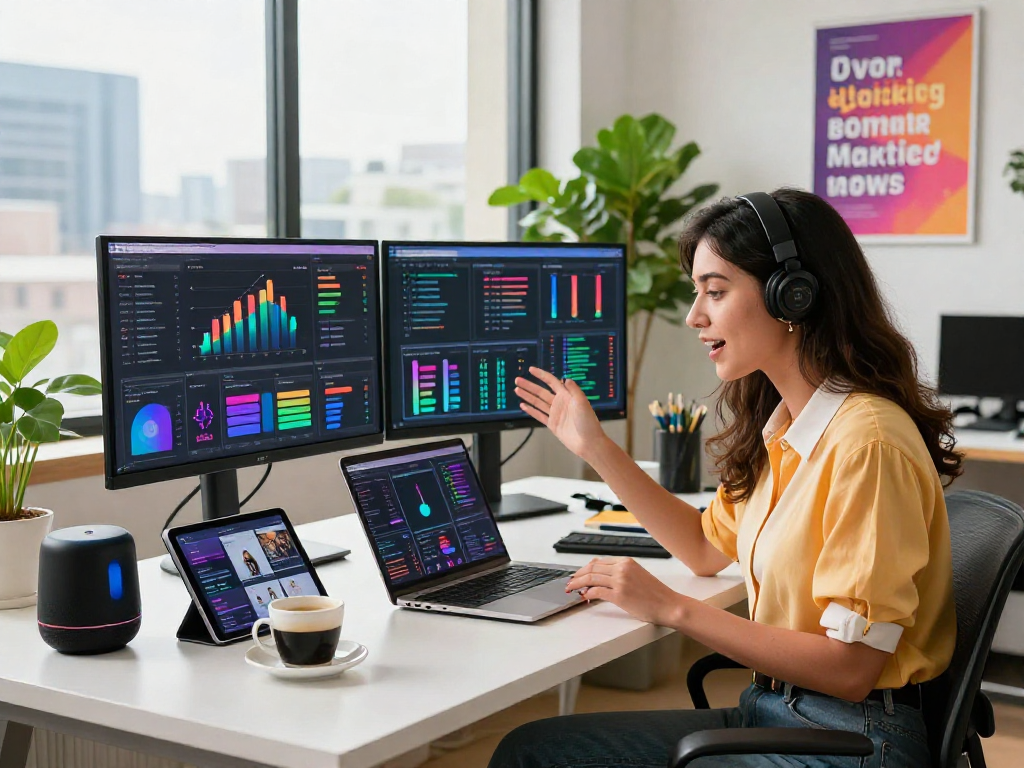
Understanding the Self-Employed Landscape in 2026
In recent years, the self-employed sector has seen unprecedented growth, becoming a vital part of the UK economy. As we step into 2026, understanding the nuances of being self-employed is more important than ever. The dynamics of this career path involve not just financial independence, but also the ability to manage one's own brand, clients, and workload. Recent statistics highlight that approximately 15% of the UK workforce is now self-employed, a trend that reflects both a shift in economic structures and changing societal attitudes towards work. For those exploring options, self-employed individuals can benefit from platforms that facilitate direct client connections without intermediaries, thus enhancing their growth opportunities.
What Does Being Self-Employed Mean Today?
Being self-employed in today’s context goes beyond merely working for oneself. It encompasses a broad spectrum of responsibilities, including marketing, client acquisition, financial management, and service delivery. Unlike traditional employment, self-employed individuals must continuously promote their services and maintain a strong personal brand to attract and retain clients. This shift means that the self-employed must wear multiple hats, transforming from skilled professionals into entrepreneurs.
Trends Impacting Self-Employed Professionals
Several key trends are shaping the self-employed landscape in 2026:
- Remote Work Adoption: The pandemic accelerated businesses’ acceptance of remote work, allowing self-employed individuals to leverage this flexibility for a better work-life balance.
- Digital Marketing Growth: As digital platforms become the primary mode of outreach, self-employed professionals must enhance their digital marketing skills to remain competitive.
- Gig Economy Expansion: The rise of the gig economy offers self-employed individuals opportunities to find short-term projects easily, increasing their earning potential.
- Emphasis on Sustainability: Clients increasingly prioritize sustainability, prompting self-employed professionals to adopt eco-friendly practices to align with consumer preferences.
Common Misconceptions About Self-Employment
Despite its appeal, self-employment is often surrounded by misconceptions, including:
- Self-Employment Equals Freedom: While there is freedom in choosing projects, self-employment often requires extensive hours and dedication.
- Guaranteed Financial Stability: Many believe that self-employed individuals enjoy financial security, but income can fluctuate significantly.
- Less Responsibility: Contrary to popular belief, self-employed professionals bear all business responsibilities, from taxes to insurance, making it a demanding role.
Financial Management Challenges for Self-Employed Individuals
Financial management is a critical aspect that self-employed individuals must master. The absence of a steady paycheck poses unique challenges, including budgeting, tax obligations, and cash flow management.
Creating a Sustainable Budget
A sustainable budget enables self-employed professionals to manage irregular income effectively. This involves tracking expenses meticulously and setting aside a portion of earnings for taxes and reinvestment in the business.
Understanding Tax Obligations for Self-Employed
Self-employed individuals often face complicated tax obligations, including paying both Income Tax and National Insurance Contributions (NICs). Understanding allowable deductions, such as business expenses and home office costs, can lead to significant savings.
Building an Emergency Fund: Why It Matters
An emergency fund is crucial for self-employed individuals, providing a financial buffer during lean periods. Experts recommend saving at least three to six months' worth of living expenses to weather unforeseen circumstances.
Effective Marketing Strategies for the Self-Employed
Effective marketing is essential for self-employed professionals to establish a client base and increase visibility in their industry.
Leveraging Online Platforms for Visibility
Online platforms like AllTogether+ offer self-employed individuals a chance to showcase their services to a wider audience. By creating an online profile, professionals can connect directly with potential clients seeking services in various fields.
Networking Tips for Self-Employed Professionals
Networking is a valuable strategy for self-employed individuals. Engaging in industry-related events, joining online forums, and building relationships through social media can open doors to new opportunities.
Building a Personal Brand: Key Steps
Creating a personal brand is about showcasing your expertise and unique value proposition. This involves developing a professional website, curating a strong online portfolio, and consistently engaging with your target audience through content sharing and updates.
Time Management Tips for Self-Employed Success
Time management is a vital skill for self-employed professionals who often juggle multiple tasks simultaneously.
Setting Realistic Work Hours
Establishing realistic work hours helps self-employed individuals maintain a healthy work-life balance. It is essential to define specific work times and stick to them, preventing the tendency to overwork.
Tools and Apps for Better Productivity
Numerous tools and applications can enhance productivity for self-employed individuals, such as project management software, time tracking apps, and invoicing tools, allowing for efficient task management.
Avoiding Burnout: Maintaining Work-Life Balance
Self-employed professionals often face burnout due to the demands of managing every aspect of their business. Setting boundaries, delegating tasks when possible, and taking regular breaks are key to maintaining motivation and health.
Future-Proofing Your Self-Employed Career
To succeed in an ever-changing market, self-employed individuals must focus on future-proofing their careers through adaptability and continuous learning.
Adapting to Changes in Your Industry
Staying informed about industry trends and being willing to adapt services accordingly can help self-employed professionals remain competitive and relevant in their field.
Continuous Learning and Skill Development
Investing time in learning new skills or enhancing existing ones is crucial. Online courses, workshops, and webinars can help self-employed individuals stay ahead of industry changes and client expectations.
Utilizing Technology to Stay Ahead
Embracing technology can streamline operations and enhance client interactions. Tools such as customer relationship management (CRM) systems, automated email marketing, and advanced analytics can provide a competitive edge.
What Are the Common Traits of Successful Self-Employed Professionals?
Successful self-employed individuals often exhibit traits such as resilience, adaptability, strong communication skills, and effective time management. These qualities contribute to their ability to navigate the challenges of self-employment.
How to Handle Client Relationships Effectively?
Building and maintaining strong client relationships is essential for self-employed professionals. This includes being transparent with clients, delivering high-quality work, and managing expectations effectively.
What Tax Deductions Are Available for the Self-Employed?
Self-employed individuals can take advantage of several tax deductions, including home office expenses, travel costs, and professional fees. Consulting with a tax advisor can help identify all applicable deductions.
How Do I Stay Motivated as a Self-Employed Professional?
Staying motivated requires setting clear goals and celebrating small achievements. Joining support networks can also provide encouragement and accountability.
What Are the Best Marketing Channels for Self-Employed Individuals?
Effective marketing channels for self-employed individuals include social media platforms, content marketing through blogs or podcasts, and direct networking opportunities. Tailoring the marketing approach to the target audience is crucial for success.