
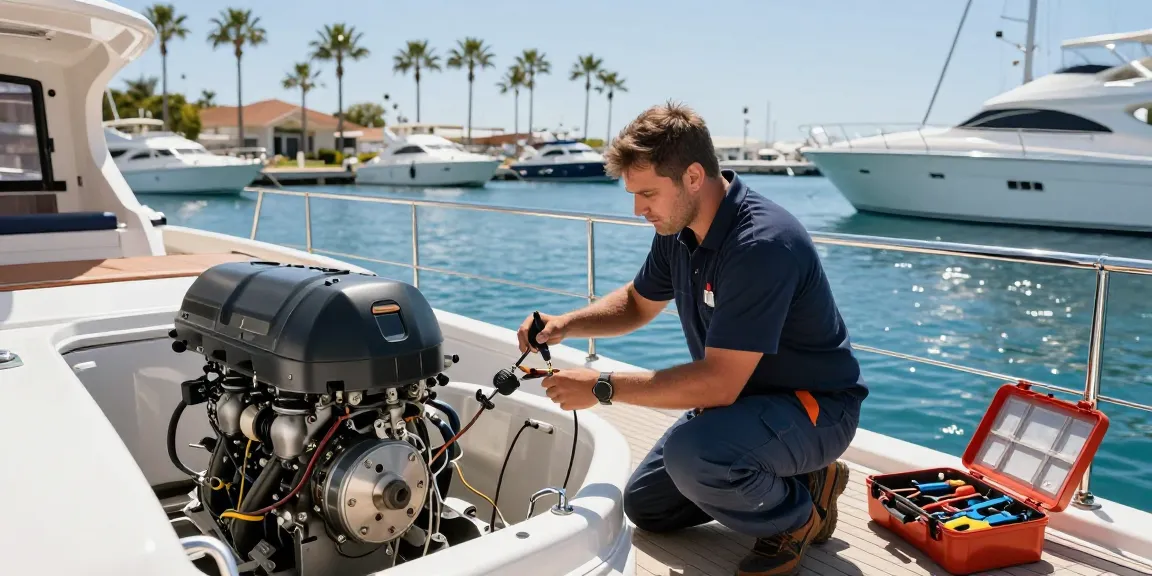
Understanding the Role of a Mobile Marine Engineer
A Mobile marine engineer plays a crucial role in ensuring the functionality and safety of marine vessels. These professionals are not only adept at problem-solving and troubleshooting but are also critical in supporting the maritime industry, which is increasingly reliant on technology and innovative practices. The importance of their skills is amplified as more marine operations seek flexibility, efficiency, and rapid response to maintenance needs.
What Does a Mobile Marine Engineer Do?
Mobile marine engineers are responsible for a variety of tasks that are essential to the operation of marine vessels. Their primary duties include:
- Conducting routine inspections to ensure equipment efficiency.
- Performing preventive maintenance to avoid breakdowns.
- Diagnosing technical problems and implementing repairs.
- Assisting in the installation of new equipment and systems.
- Providing emergency technical support as required.
A mobile marine engineer's role can vary significantly depending on the size of the vessel and the type of marine operation. In many cases, they work onboard ships, yachts, or marine platforms, aiding in both mechanical and electrical problems that may arise.
Key Skills Required for Marine Engineering
To thrive as a mobile marine engineer, one must possess a diverse set of skills, including:
- Technical Proficiency: Expertise in marine engines, electrical systems, and hydraulic systems is crucial.
- Problem-Solving Skills: The ability to analyze problems quickly and devise effective solutions is essential.
- Communication: Engineers must effectively communicate with crew members and managers about technical issues.
- Physical Stamina: The role often requires physical labor and the ability to work in challenging conditions.
- Attention to Detail: Accuracy in diagnostics and repairs can mean the difference between safe operations and failure.
Continuous learning is also a vital component, as technology in marine engineering evolves rapidly, requiring professionals to stay updated on the latest innovations.
Common Challenges Faced by Mobile Marine Engineers
Mobile marine engineers frequently encounter a number of challenges, including:
- Accessing hard-to-reach areas on vessels for repairs.
- Dealing with time constraints in emergency situations.
- Managing a limited supply of spare parts and tools during on-site repairs.
- Adapting to operational variations across different vessels and environments.
Facing these challenges head-on requires not only skill and knowledge but also the ability to remain calm and make quick decisions under pressure.
Essential Tools and Equipment for Marine Engineers
Must-Have Tools for Mobile Marine Engineers
Mobile marine engineers rely on a variety of tools to effectively perform their tasks. Key tools include:
- Diagnostic Equipment: Tools such as multimeters and oscilloscopes to troubleshoot electrical systems.
- Basic Hand Tools: Wrenches, screwdrivers, and pliers for mechanical repairs.
- Power Tools: Drills and grinders to assist in more demanding tasks.
- Safety Equipment: Personal protective equipment (PPE) such as helmets, gloves, and respirators.
Investing in high-quality tools can significantly enhance efficiency and safety on the job.
Advanced Technology in Marine Engineering
The integration of advanced technology continues to reshape the landscape of marine engineering. Innovations such as:
- Remote Monitoring Systems: Allow engineers to track vessel performance data and diagnose issues from a distance.
- 3D Printing: Used for creating replacement parts on-demand, reducing downtime.
- Automation and Robotics: Robotics assist in maintenance tasks, enhancing safety and efficiency.
These advancements not only streamline processes but also help in predictive maintenance, reducing the likelihood of equipment failure.
Safety Equipment and Protocols
Ensuring safety is paramount in marine engineering. Mobile marine engineers must adhere to stringent safety protocols, which include:
- Regular safety drills and training for emergency situations.
- Utilizing appropriate PPE consistently.
- Ensuring vessels comply with safety standards and regulations.
By prioritizing safety, engineers help prevent accidents and injuries on board vessels, which can have severe implications for crew and operation.
Best Practices in Mobile Marine Engineering
Conducting Effective Equipment Inspections
Performing thorough equipment inspections is a best practice that can prevent costly repairs and maintenance downtime. Techniques include:
- Utilizing checklists to ensure all components are assessed.
- Documenting findings for future reference and trend analysis.
- Scheduling inspections regularly to catch potential issues before they escalate.
Effective equipment management fosters reliability and increases the lifespan of marine vehicles.
Maintenance Tips for Marine Vehicles
Regular maintenance can enhance the reliability of marine vessels. Some key tips include:
- Establishing a routine maintenance schedule tailored to the vessel's specific needs.
- Keeping meticulous records of all maintenance actions taken.
- Regularly checking fluid levels and topping off as needed.
- Inspecting and maintaining battery systems to prevent failures.
Taking proactive steps can lead to reduced operational costs and improved safety on board.
Innovative Solutions for Common Marine Problems
Mobile marine engineers must be innovative in their approach to problem-solving. Solutions can vary based on the issue, but some strategies include:
- Implementing redundancy systems for critical components to ensure backup options are available.
- Utilizing technology for real-time monitoring of equipment health.
- Leveraging online resources and communities for troubleshooting advice and support.
Creativity in engineering allows for adaptive solutions, minimizing downtime and enhancing vessel performance.
Future Trends in Marine Engineering (2026 and Beyond)
Emerging Technologies in Marine Engineering
The future of marine engineering will be shaped by the adoption of emerging technologies such as:
- Artificial Intelligence: AI will play a critical role in predictive analytics and optimizing maintenance schedules.
- Green Technologies: Innovations focused on sustainability will become increasingly commonplace, including hybrid and electric marine propulsion systems.
- Blockchain: Enhanced transparency and efficiency in supply chains through blockchain technology.
These trends will not only improve operational efficiency but also align with global sustainability goals.
Impact of Sustainability on Marine Practices
Sustainability in marine practices is no longer optional. Marine engineers must consider environmental impacts, leading to practices such as:
- Utilizing eco-friendly materials and practices in repairs and maintenance.
- Adopting energy-efficient systems to reduce emissions.
- Conducting environmental audits as part of routine procedures.
As the focus on environmental responsibility grows, marine engineers will play a vital role in implementing sustainable practices across the industry.
Predictions for the Mobile Marine Engineering Field
Looking ahead, mobile marine engineering is expected to evolve significantly. Predictions for the field include:
- The increased integration of smart technologies within vessels.
- A greater focus on remote diagnostics and repairs, allowing engineers to work more efficiently.
- Heightened demand for skilled professionals who can adapt to rapidly changing technologies and industry standards.
Embracing these changes will be essential for marine engineers seeking to stay competitive in a dynamic environment.
Getting Started as a Mobile Marine Engineer
Education and Training Pathways
Entering the field of mobile marine engineering typically requires a blend of formal education and hands-on training. A common pathway includes:
- Pursuing an associate degree or bachelor's degree in marine engineering or a related field.
- Completing relevant certifications that demonstrate technical proficiency.
- Participating in internships or apprenticeships to gain practical experience.
Education lays the foundation for a successful career, but training ensures readiness for real-world challenges.
Gaining Hands-On Experience
Experience is invaluable in marine engineering. Aspiring engineers should seek:
- Internships with marine companies to learn from seasoned professionals.
- Entry-level positions on vessels to understand operational nuances.
- Mentorship opportunities from experienced marine engineers.
Hands-on experience not only builds confidence but also enhances technical skills that are crucial in mobile engineering roles.
Building a Career as a Mobile Marine Engineer
Career advancement in mobile marine engineering can be achieved through:
- Networking within industry circles to discover job opportunities.
- Continuing education to stay updated with industry certifications and technologies.
- Taking on challenging projects that showcase your skills and commitment.
Building a solid reputation within the marine community can open doors to advanced positions and increased responsibilities.
What Certifications Are Required?
Certifications can enhance a mobile marine engineer's credentials. Relevant certifications include:
- Engineering Technician (ENGT) certification for foundational skills.
- International Maritime Organization (IMO) certifications for safety and environmental management.
- Specialized training certifications for specific technologies or equipment.
Obtaining certifications not only improves job prospects but also enhances professional credibility in the field.